Grundy meat-offering courtship tradition
How to Flirt with A Naked WerewolfThe Grundy meat-offering courtship tradition is a local custom in which a man signals serious romantic intent by offering a woman meat. More than a flirtatious gesture, the offer presents him as a provider: in Evie DuChamp’s explanation to Mo Duvall-Wenstein, accepting a rump roast carries the meaning of agreeing to go steady. The custom makes food a recognizable language of courtship in Grundy, where an ordinary meal can announce a change in a relationship’s status.
Meaning and Social Use
Evie introduces the custom while explaining that men at the saloon may flirt without serious intentions. The threshold, she tells Mo, is not a suggestive phrase but actual meat. She describes the practice as a macho performance of the ability to provide and compares it to feathering a prospective partner’s nest. Evie regards the gesture as old-fashioned, even Neanderthal, but also sweet; its social meaning depends on the combination of material provision and romantic intention.
The rump roast is the clearest shorthand for that meaning. Evie explains that when a Grundy man offers one, he is effectively asking the woman to go steady. The custom therefore gives food a role beyond sustenance: a specific cut of meat can make a courtship proposal legible without requiring a formal declaration. It also gives Mo a practical way to distinguish harmless attention from an approach that carries more serious intent.
Food as Exchange in Grundy
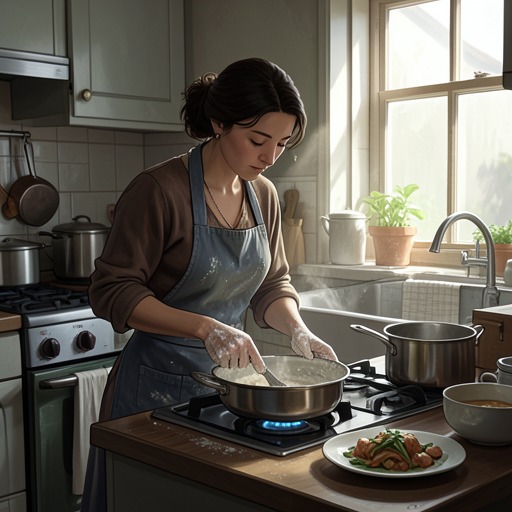
The tradition belongs to a town where food already circulates as a form of social exchange. When a customer pays his tab at the saloon with elk meat, Buzz initially supervises Mo Duvall-Wenstein in the kitchen, still adjusting to her replacement of him. Mo treats the unusual, nearly purple meat as an ingredient rather than a problem, offering to make meat loaf or marinate a roast in Coca-Cola. Buzz chooses meat loaf, and his approval of the finished dish marks a small shift in his trust of her. This is a payment custom, not a courtship offer, but it shows how readily meat can carry practical and interpersonal significance in Grundy.
Mo’s own cooking also becomes part of how she participates in the town’s social life. She bakes six dozen chocolate chess squares for work and later proposes a menu of comfort foods, including chicken noodle soup, beef stew, meat loaf, pot pie, and chicken and dumplings, alongside desserts such as chess squares and banana pudding. These acts are not described as uses of the courtship custom; rather, they show the broader setting in which food conveys care, skill, and belonging. The rump-roast gesture is a specifically romantic use of a resource that already has a prominent place in local exchange.
Connection to Werewolf Courtship
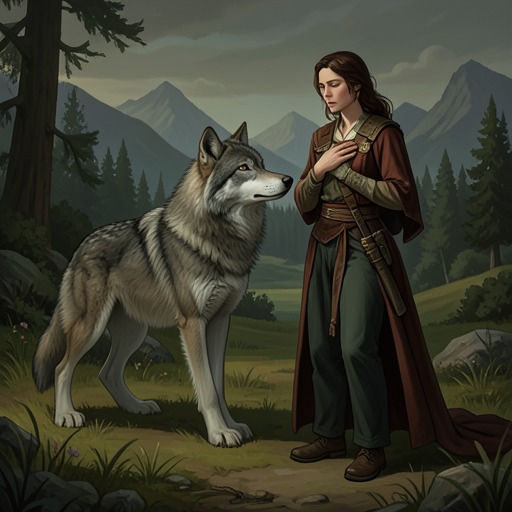
Later, after Cooper has left, Mo Duvall-Wenstein reads books about relationships with were-creatures and learns that the Grundy practice aligns with werewolf sensibilities. The books describe food as a marker of important gestures, including dating, proposals, and apologies. This interpretation gives the local custom a wider resonance: the town’s meat-based courtship ritual is not merely a joke about masculine provision but fits a broader pattern in which food helps express relationship intentions.
That connection is especially pointed because Mo’s relationship with Cooper develops amid repeated food-centered moments, though the cited scenes do not identify each meal or gift as an instance of the rump-roast custom. Cooper’s enormous breakfast of steak, sausage, bacon, and ham draws Mo’s teasing, while his sincere smile briefly changes the tone between them. Later, as their relationship becomes domestic, he brings groceries to replace the large quantities he eats. These episodes establish food as part of their shared life; the relationship guide gives Mo a framework for recognizing how deeply food is woven into werewolf courtship.
Narrative Significance
The tradition gives Grundy’s romantic code a concrete, comic form: seriousness arrives not through polished declarations but through meat offered as evidence of a man’s ability and willingness to provide. Evie’s explanation lets Mo read the town’s advances while also exposing how local customs can make courtship both legible and culturally unfamiliar to an outsider.
Its later connection to werewolf relationship practices turns that explanation into more than local color. Food links everyday exchange, romantic intention, and the werewolf community’s habits of marking relationships. The custom’s significance lies in that double register: a rump roast can be a mundane piece of meat and, at the same time, a proposal with a socially understood meaning.